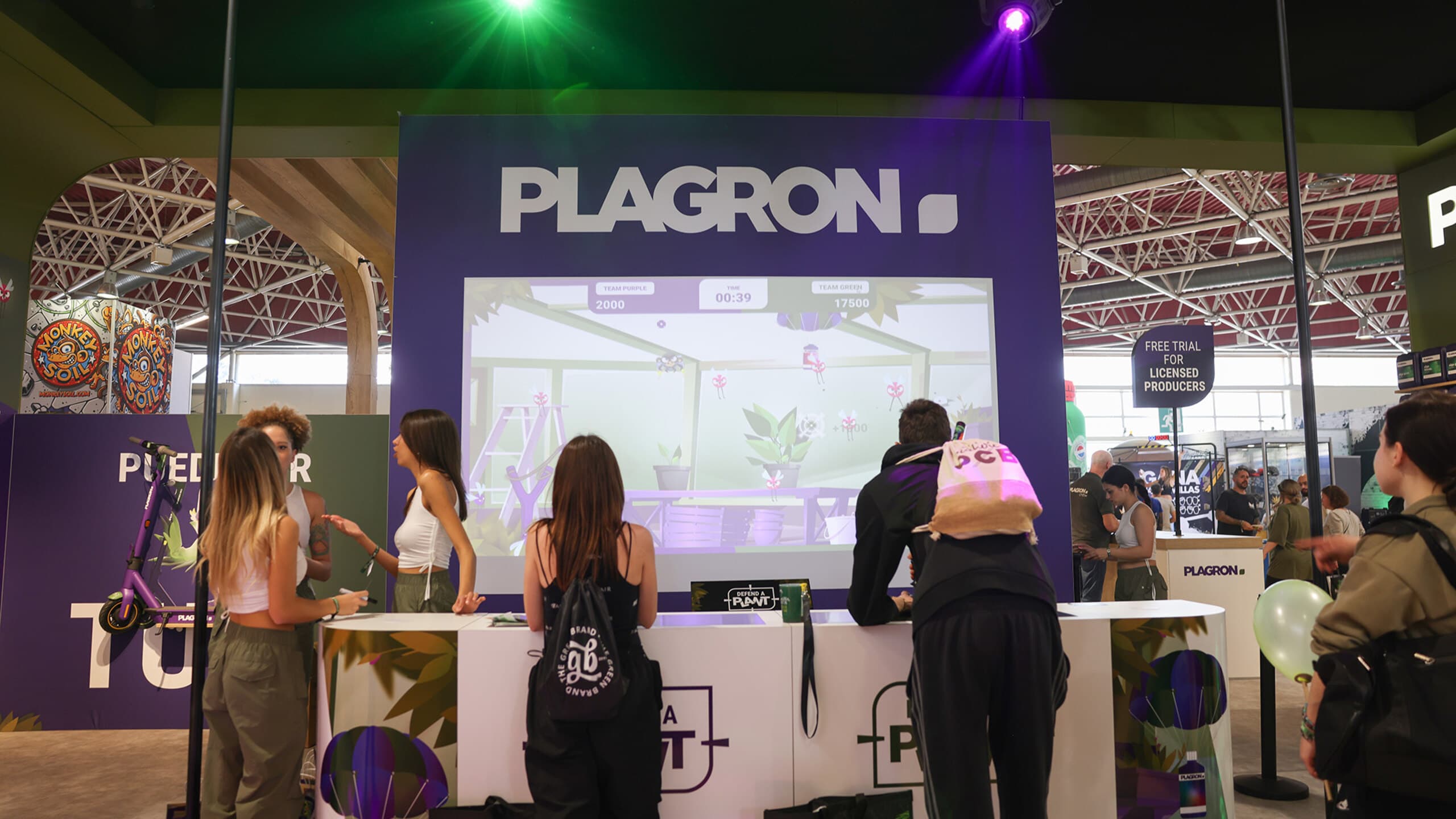
Defend a Plant
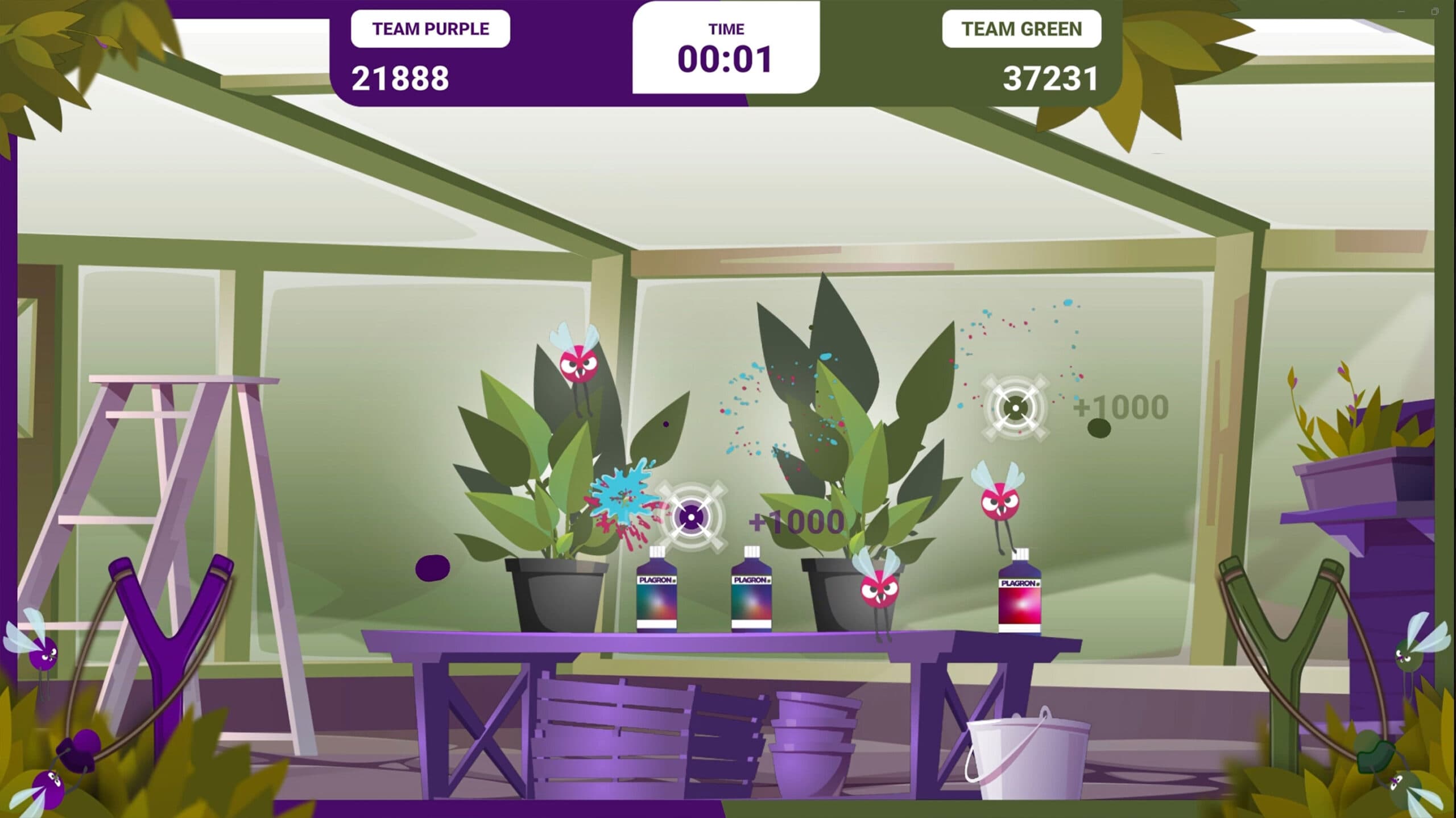
A booth arcade game where Team Purple and Team Green defend Plagron's plants from pests with physical joysticks, playing for merch prizes.
01
The Brief
Plagron, a plant nutrients brand, wanted a game for its booth at cannabis trade shows like Spannabis and Cannafair. Two visitors play against each other on physical joysticks, sign up in a queue with a username and win merch based on their score, with a bigger prize for the day's best. It had to work in several languages and without relying on venue wifi.
Fig. 02 · Video
Team Purple vs Team Green on the booth's big screen.
02
My Approach
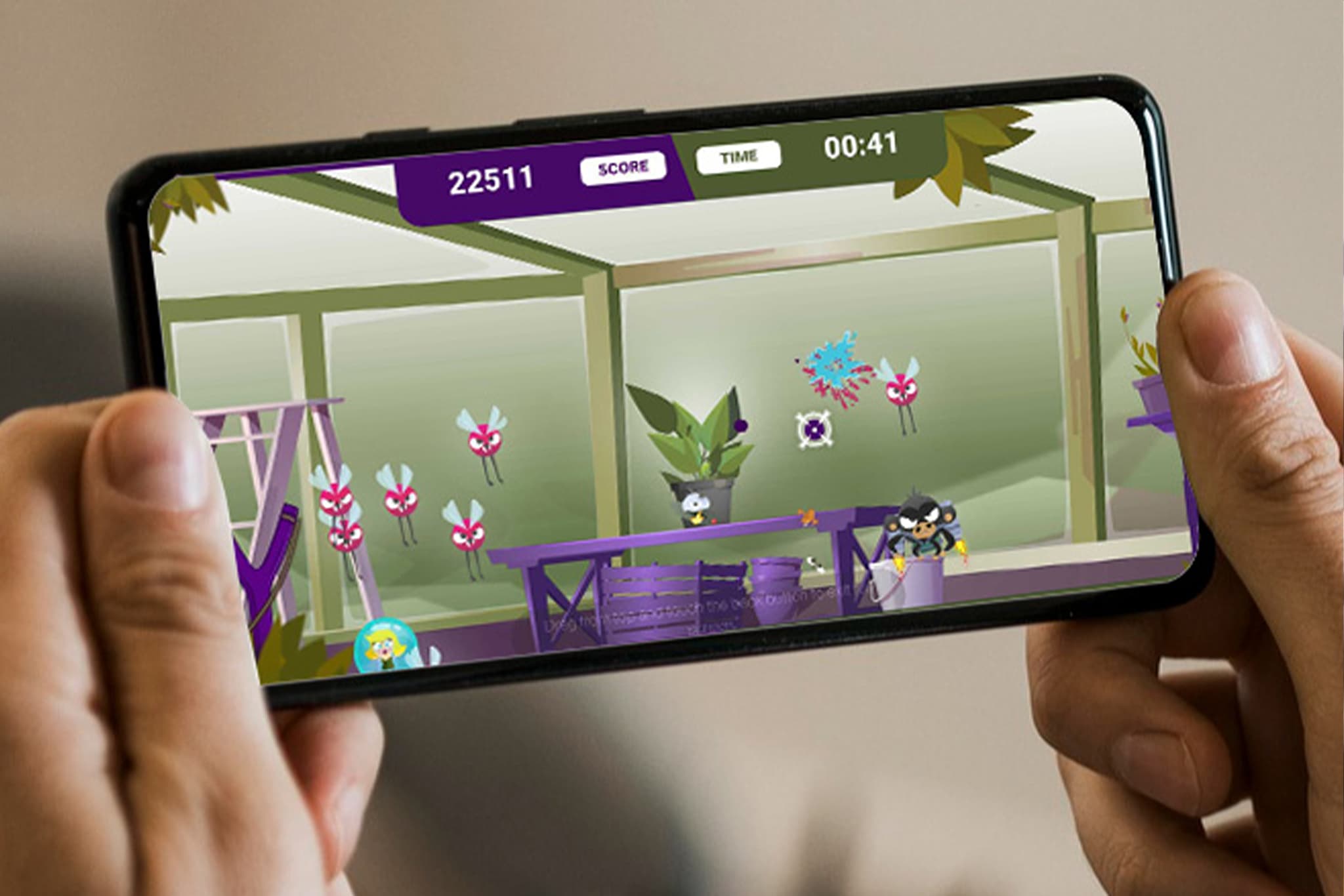
Plagron's own designer wanted to make the art, so I set up a sprite and naming system with them that let their animations drop straight into the game. I built a 60-second shooter where Team Purple and Team Green shoot flying pests while avoiding Plagron's product bottles, which cost points if hit. Shots follow a believable arc without a physics engine, and enemies spawn in the right place on any screen size. Because venue wifi is unreliable, the waiting queue runs on its own local server and network, which was something I had never built before. I also made a single-player version for phones.
03
The Result
The booth game shows live scores on a big screen, with merch tiered by points up to a full bundle past 35,000. There's also a single-player version for phones.
04
Outcome
The game is still in use. Plagron saw more people at the booth and has since taken it to more events beyond the ones it was made for.
Stills
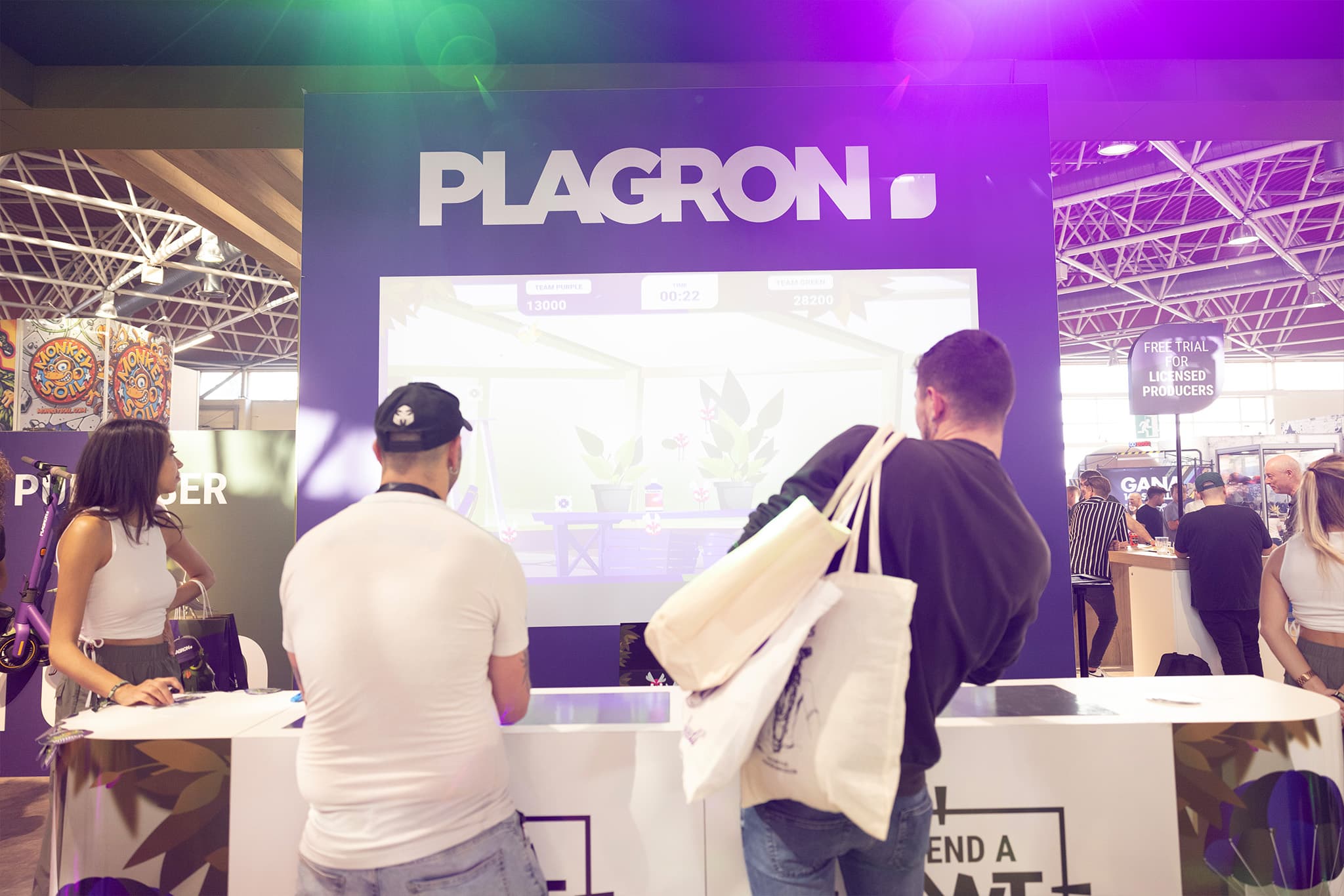
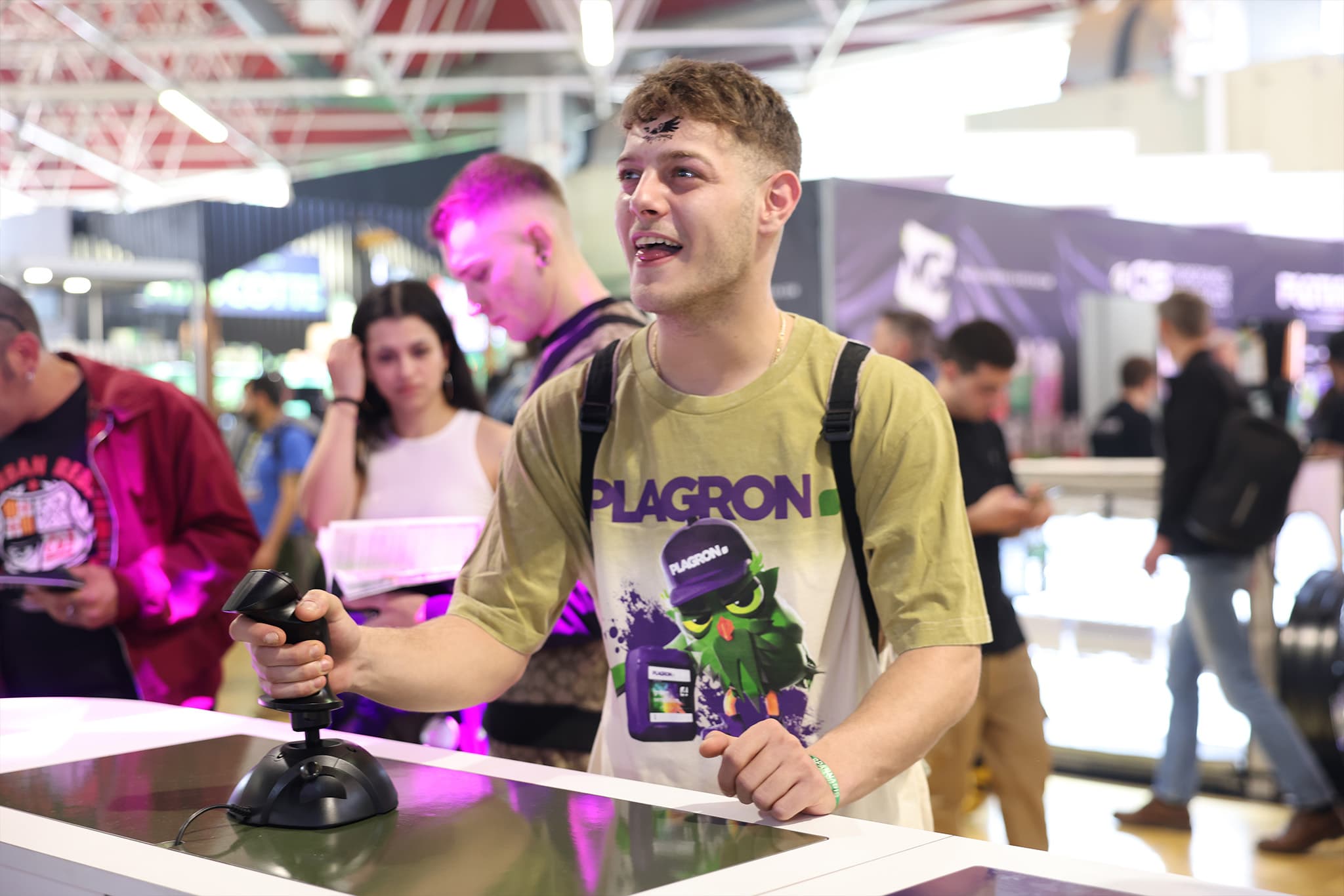
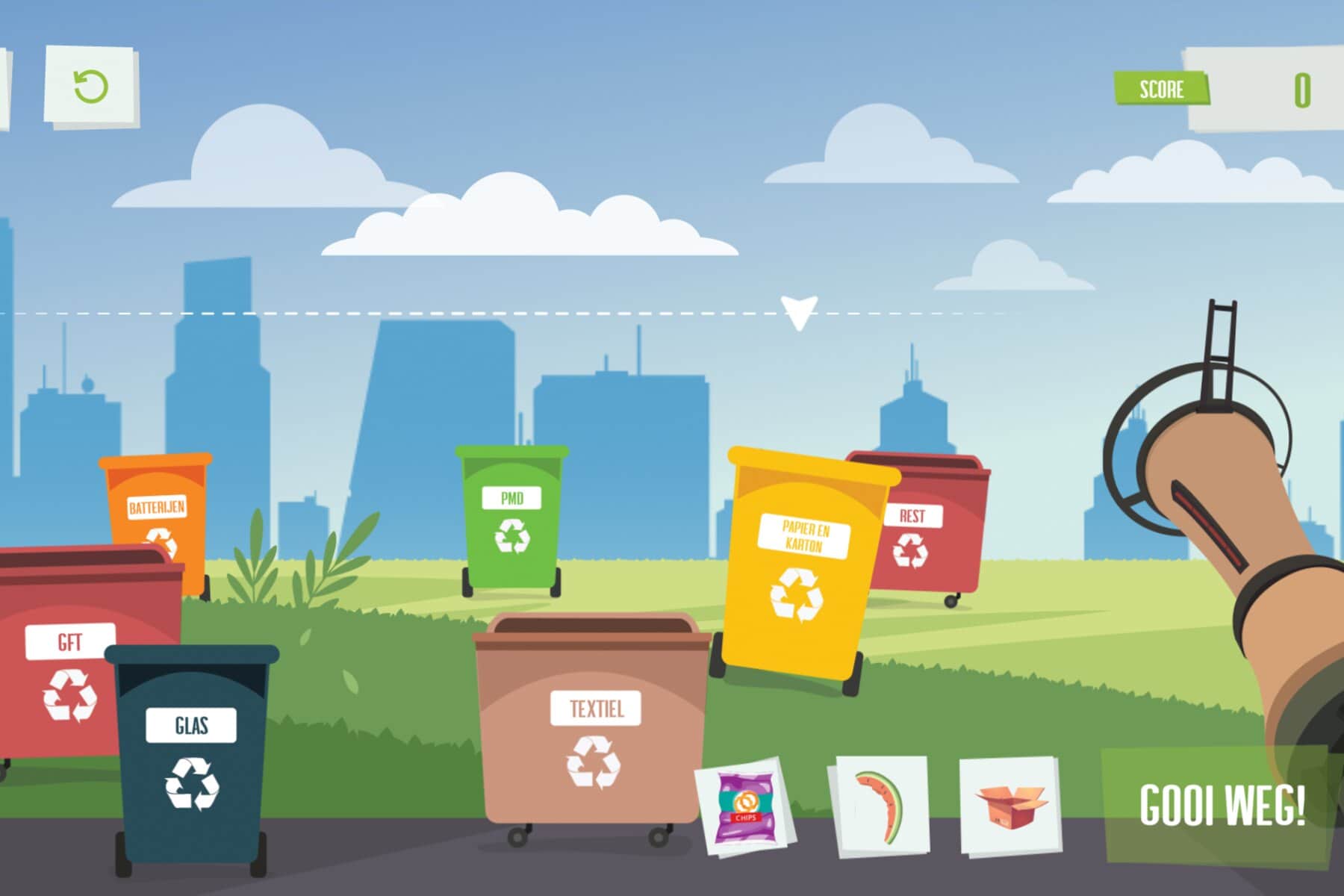
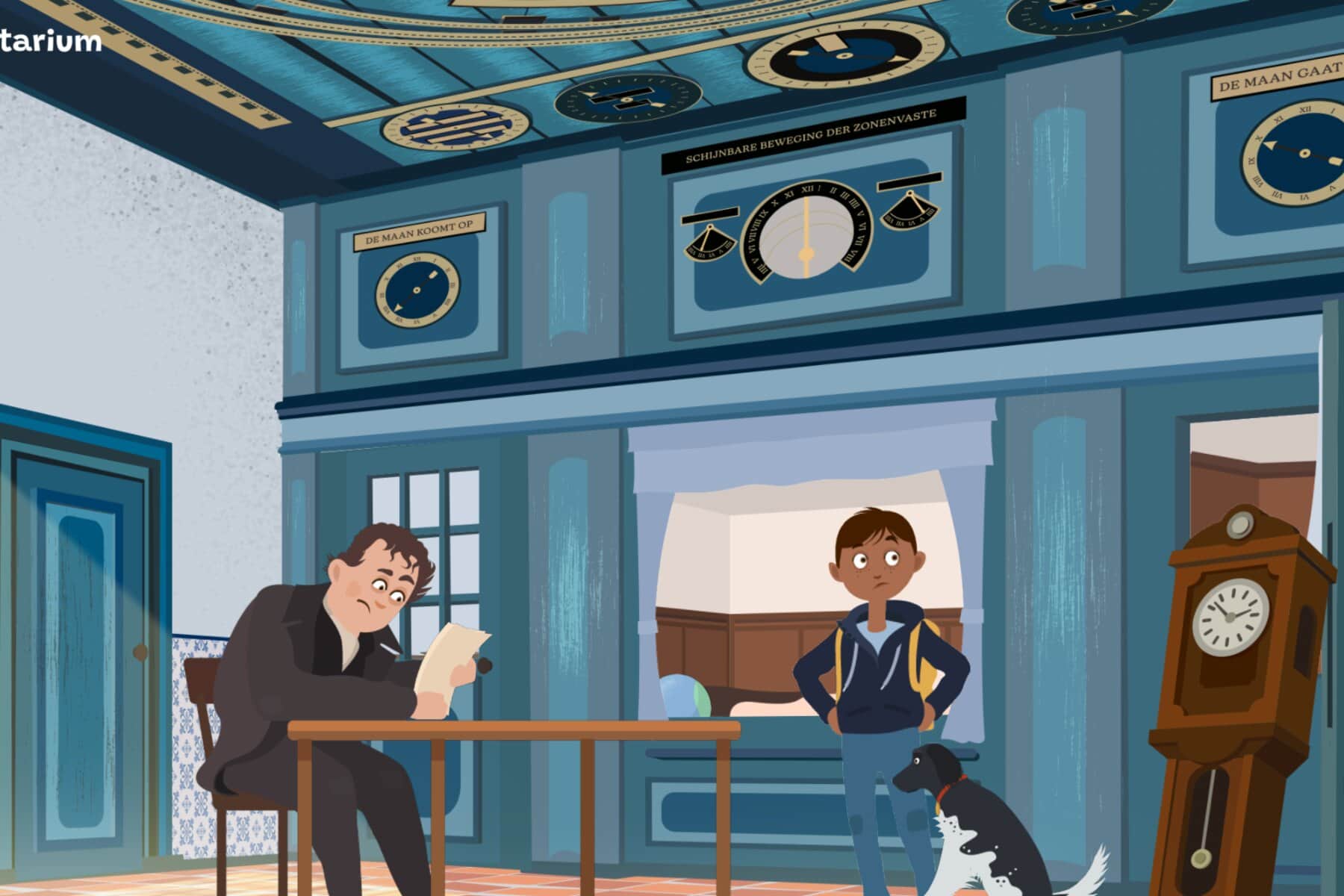
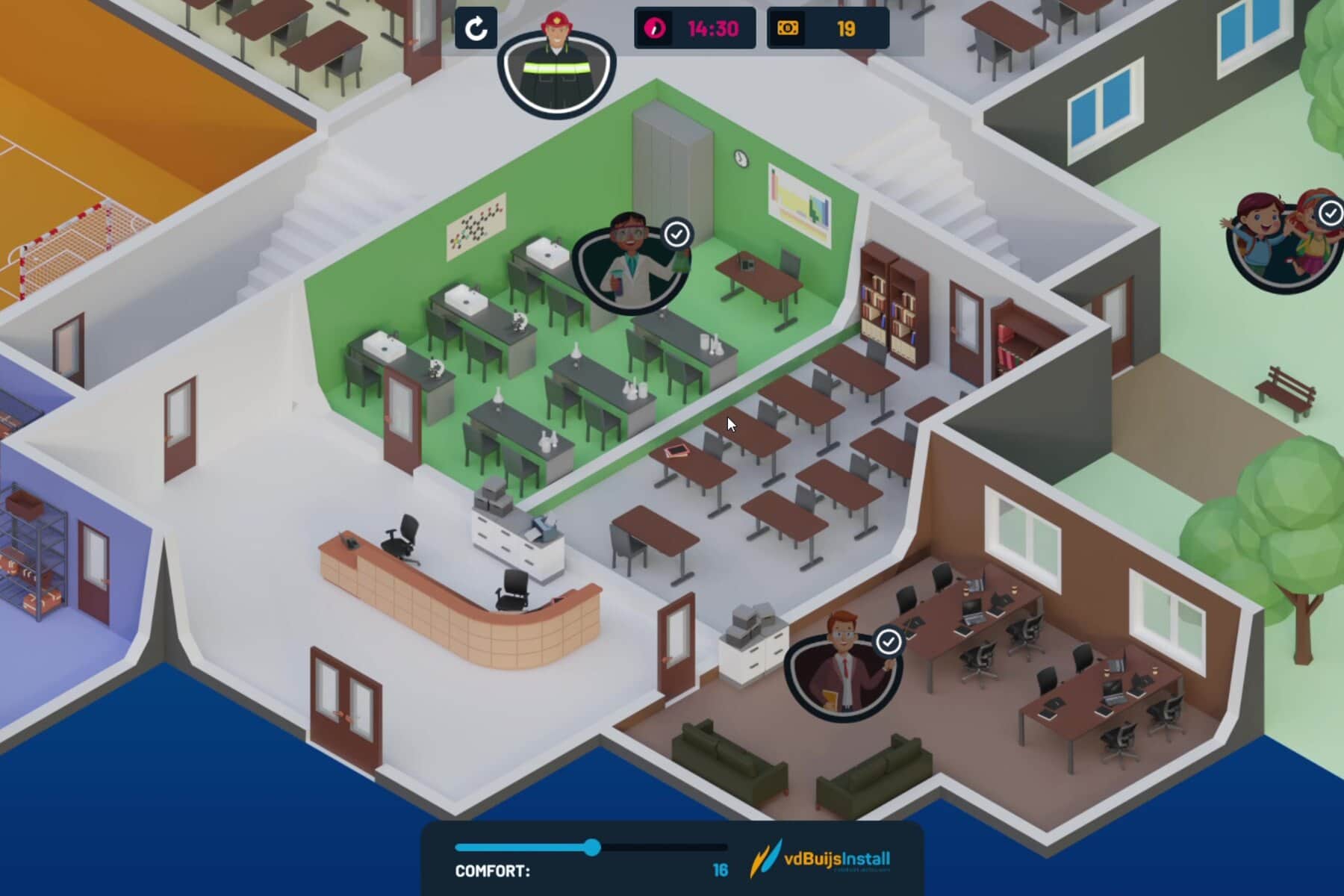
Two more visitors at the booth.
03 / About
Concept first, medium second
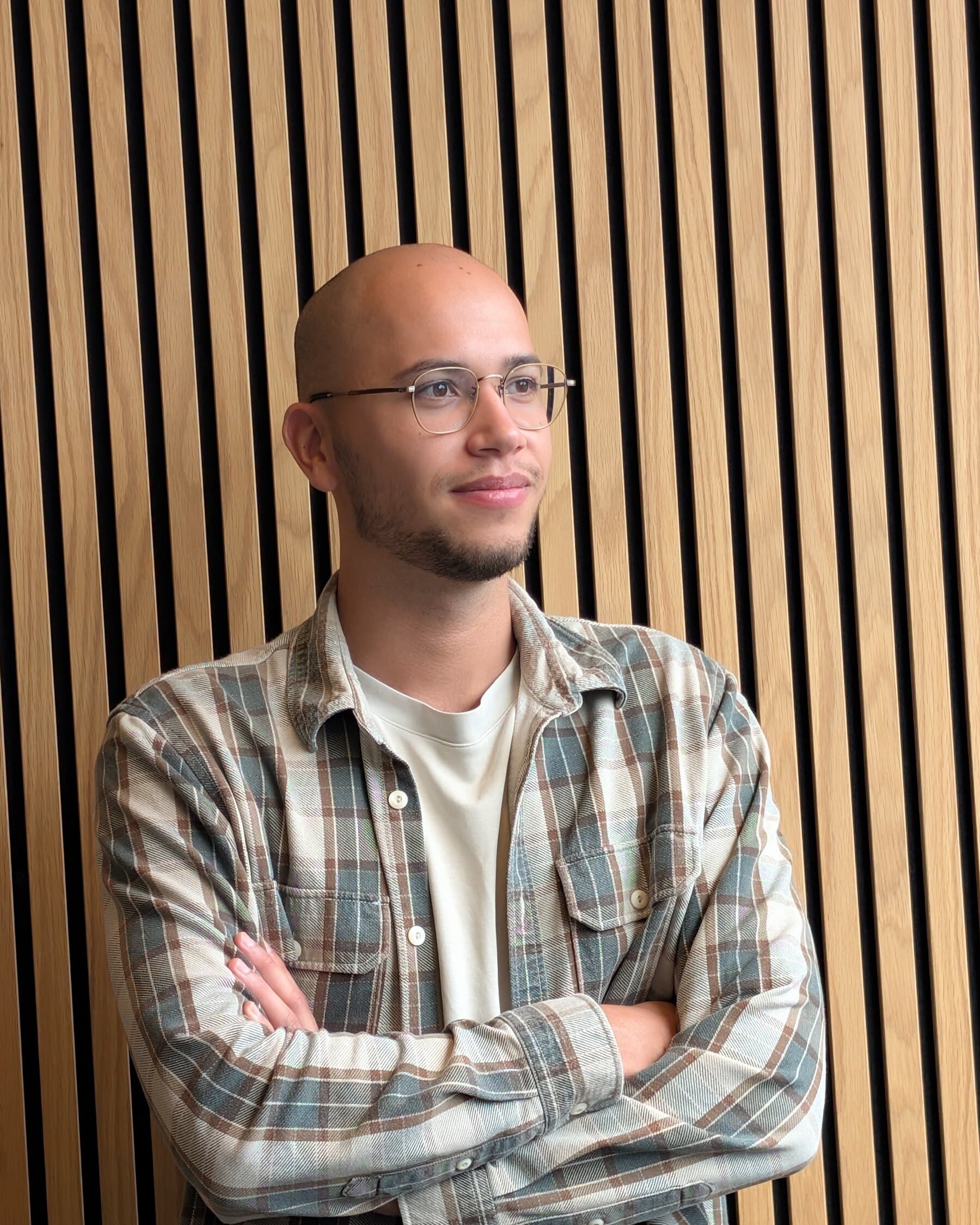
I'm Ramon, a multimedia designer based in Eindhoven. Projects start with a problem: what the thing has to do, and how someone should move through it. The answer has been a 360 film, a VR walkthrough, an explainer animation, a configurator and an AI training platform.
My part is 3D, design and code: modelling and lighting in Blender, interface and motion in XD/Illustrator and After Effects, plus the build in PlayCanvas or Next.js.